

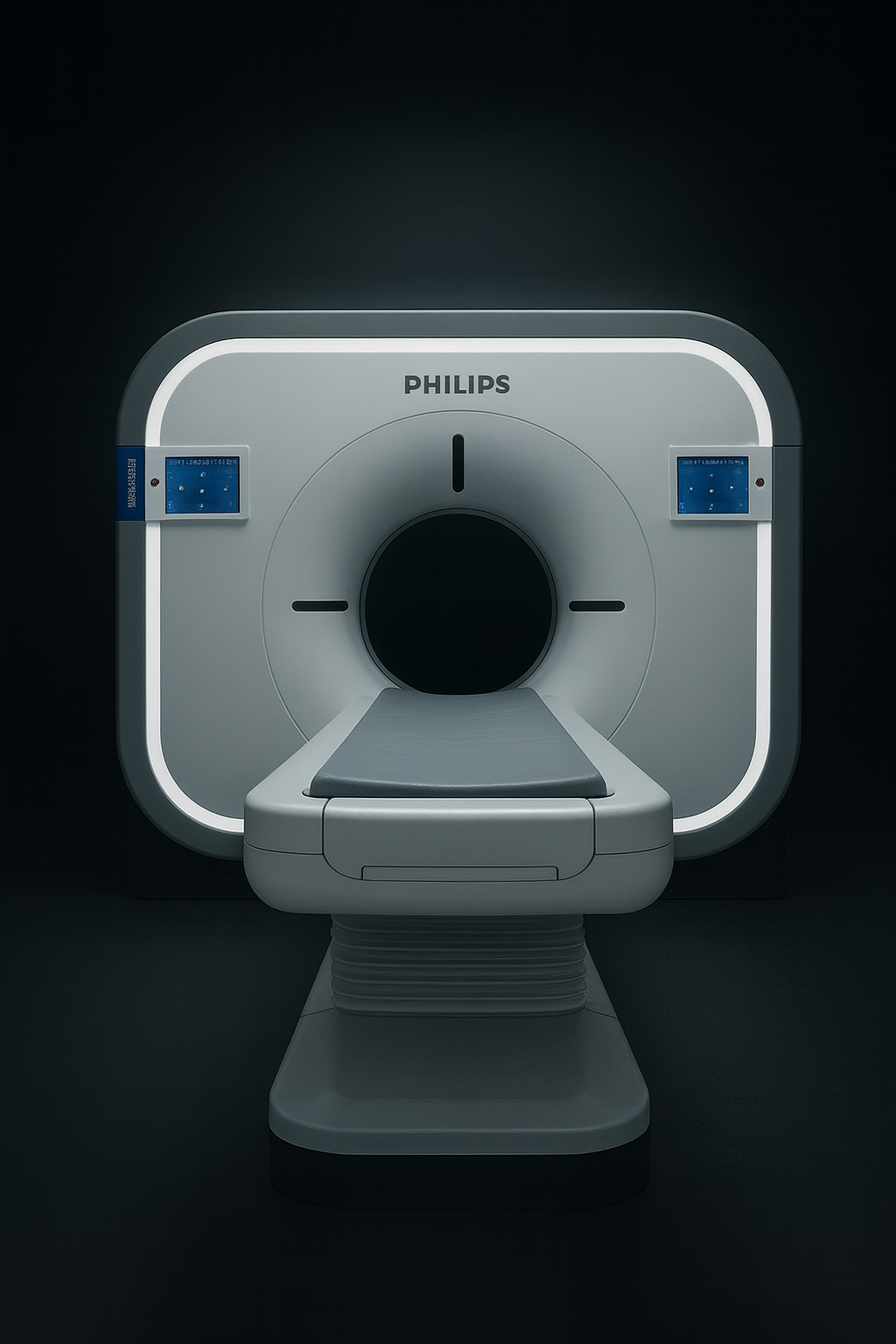
Our advanced low-dose multi-slice CT scanner provides highly detailed 3D images that help detect and assess a wide range of conditions with precision. Using the latest dose optimisation technology, we capture exceptional clarity while minimising radiation exposure — so you can have confidence in both your results and your safety.
Low Dose CT
Low Radiation, High Precision
Your safety is always our priority. That’s why our CT scanner is designed with advanced low-dose technology that significantly reduces radiation exposure while maintaining the highest standard of image clarity. With every scan, we achieve detailed, diagnostic-quality results — without compromise to your comfort or well-being
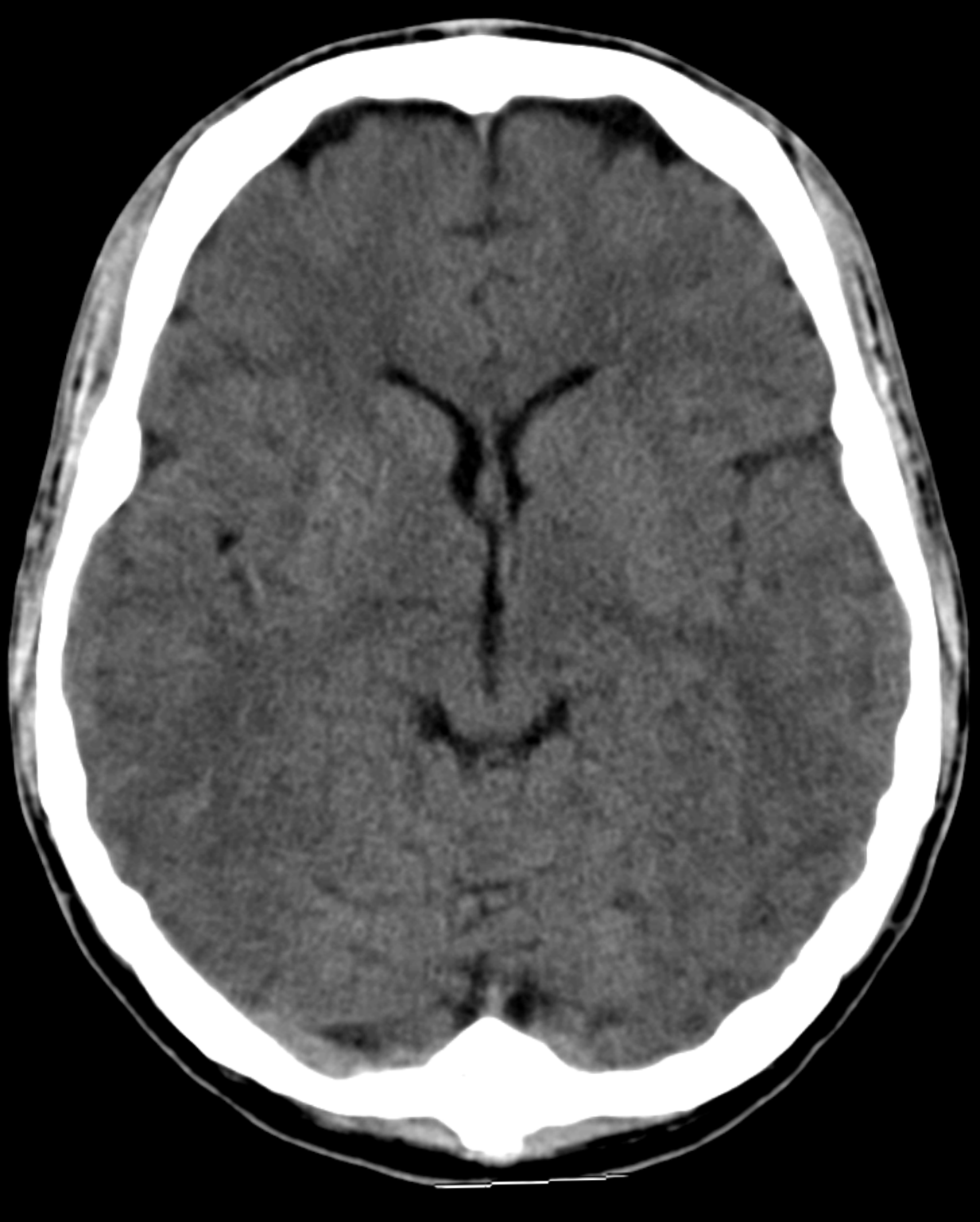
Our high-speed CT technology captures clear images in seconds, minimising time in the scanner while maintaining exceptional accuracy. You’ll experience fast, comfortable imaging — and timely results when you need them most.
Efficient Scans, Smooth Experience
We understand that medical imaging can feel daunting — that’s why we prioritise your comfort at every stage. Our compassionate staff guide you through the process, explaining each step clearly and ensuring you feel at ease. With a quiet, modern scanner and short scan times, we aim to streamline your experience to ensure your visit is as smooth and stress-free as possible.
Focused on Your Comfort and Care
Our experienced radiologists combine advanced imaging technology with clinical insight to provide precise, reliable interpretations. Every scan is reviewed with care, ensuring your doctor receives clear, actionable results for confident decision-making.
Trusted Expertise, Accurate Diagnosis
Cardiac CT
-
CT Coronary Angiogram (CTCA)
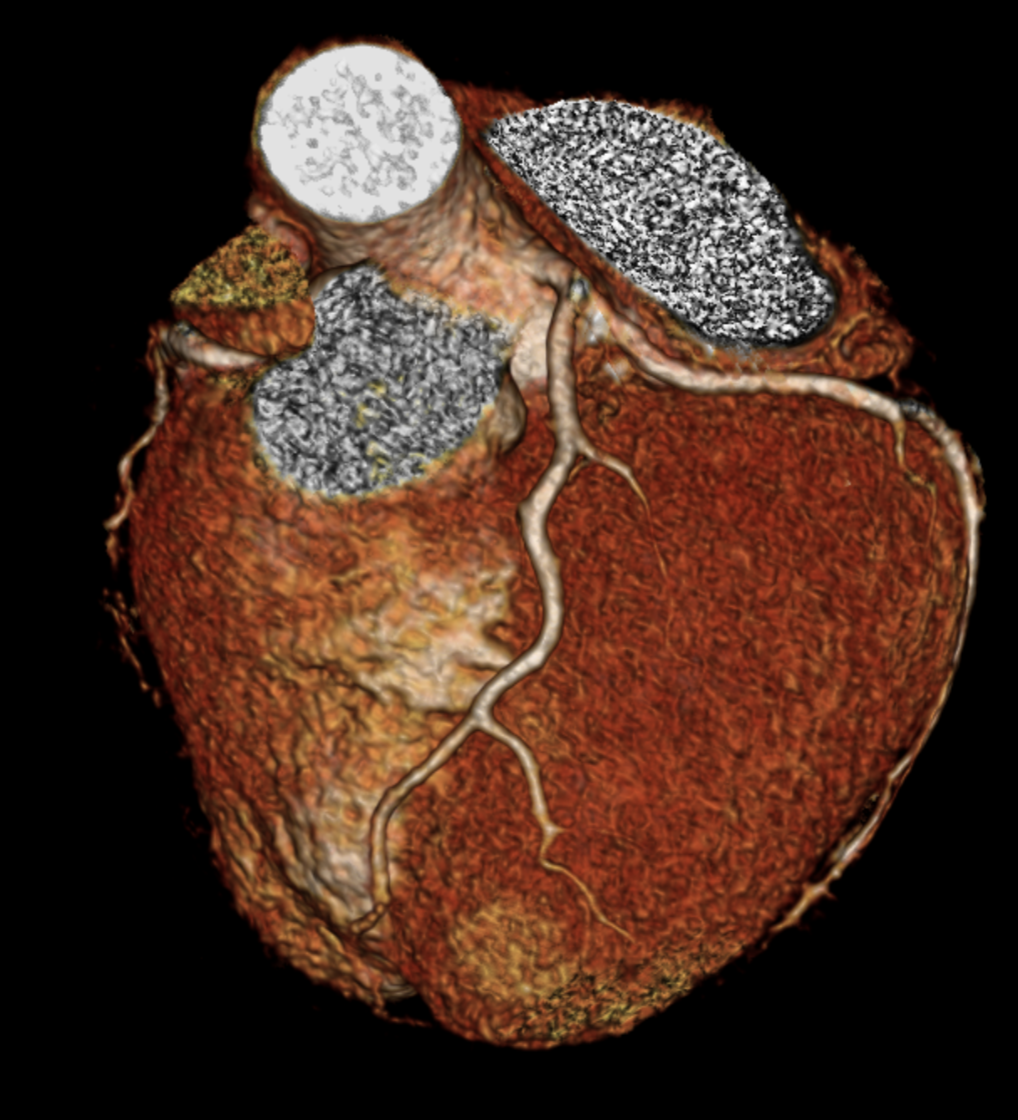
CT Coronary Angiography is a non-invasive imaging technique used to visualize the coronary arteries. Using iodinated contrast and advanced CT scanning technology, it helps detect blockages, narrowing, or other abnormalities in the heart’s blood vessels, aiding in the early diagnosis of coronary artery disease (CAD).
-
Calcium Score
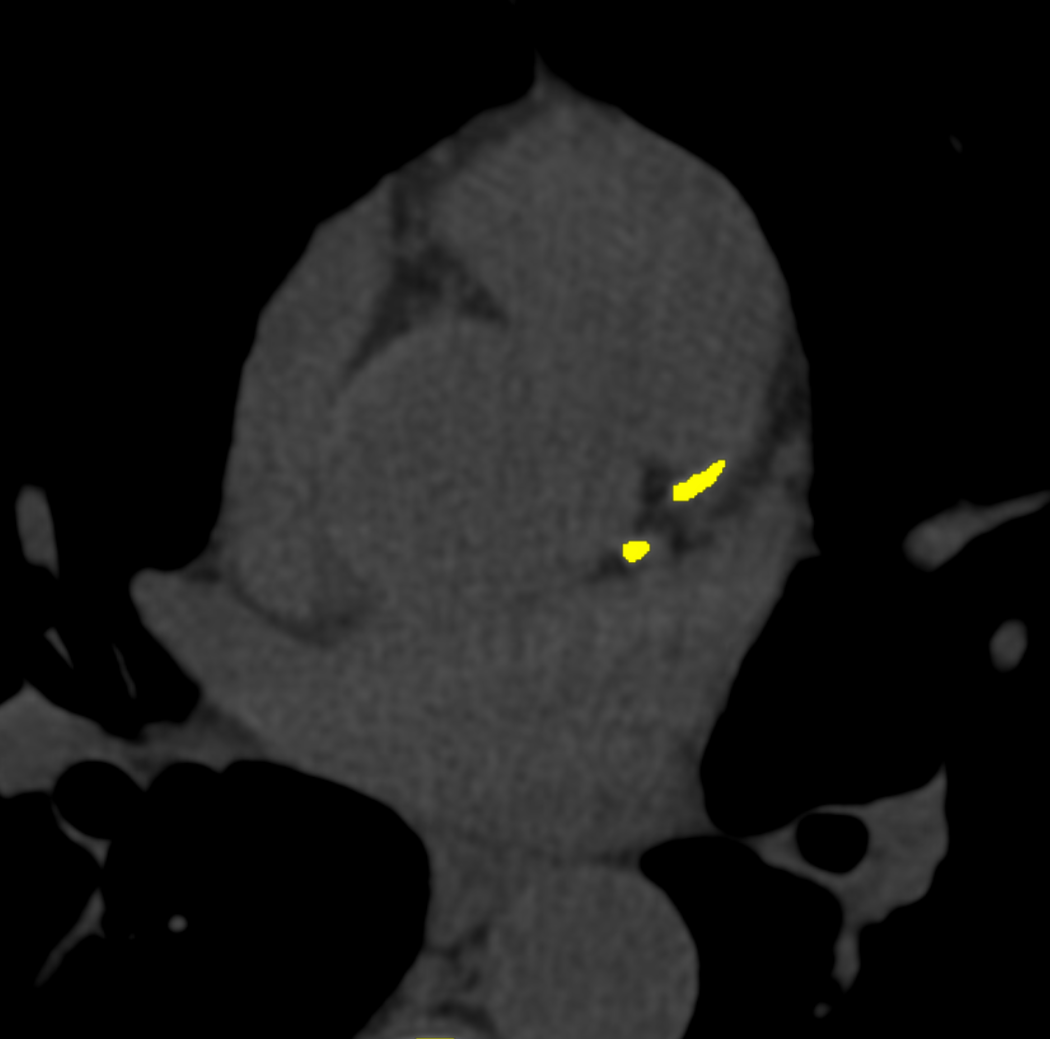
A Calcium Score is a test that uses a CT scan to measure the amount of calcium in the coronary arteries. Calcium buildup is an early sign of atherosclerosis (plaque formation), which can lead to heart disease. The score helps assess the risk of heart attack and determine appropriate preventive measures.
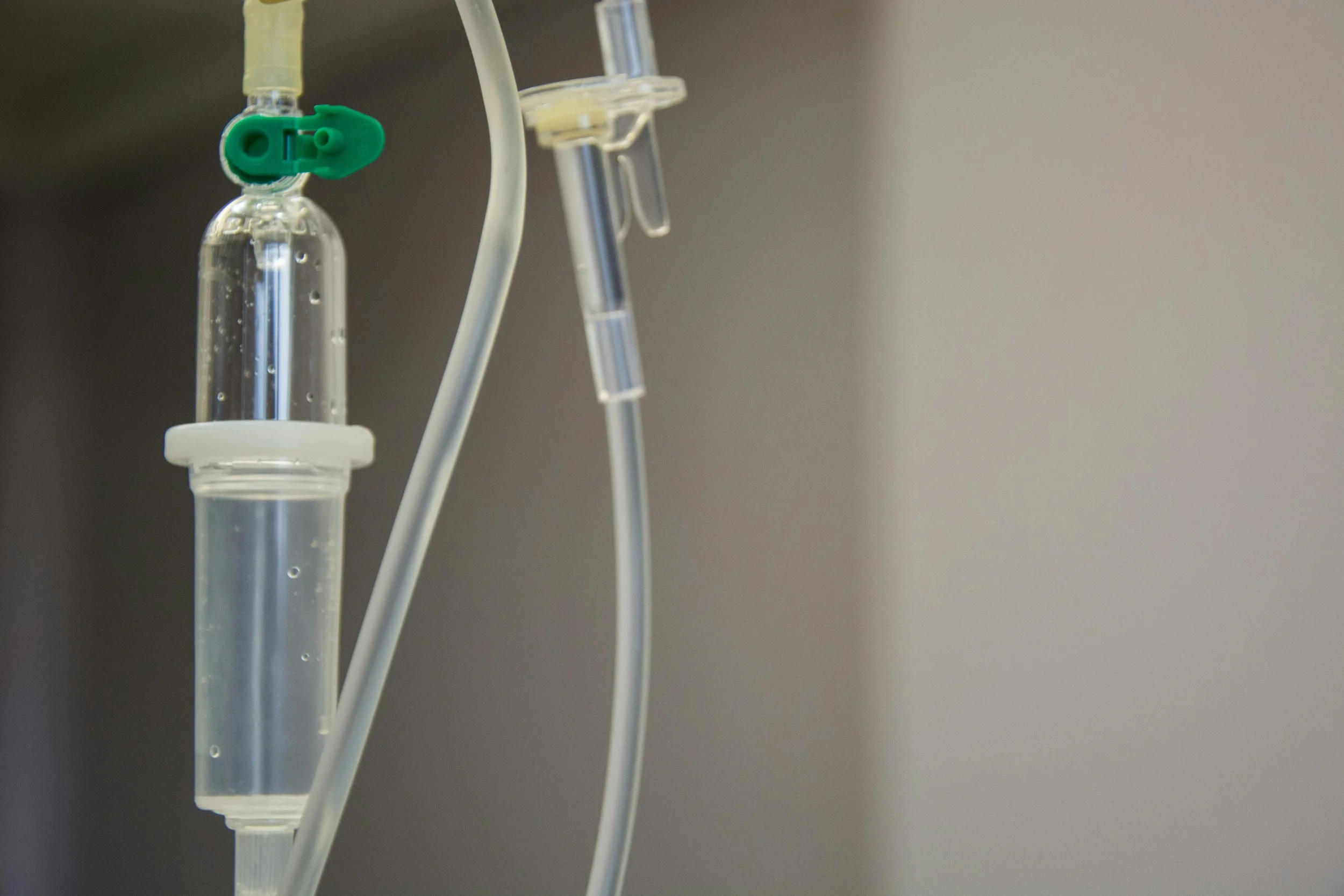
Preparing for IV Contrast
To improve visibility of blood vessels and internal structures, some CT scans — such as CT Chest, CT Abdomen, CT Neck and CT Angiograms — require an intravenous contrast dye. This helps us obtain clearer, more accurate images and aids in providing a more accurate diagnosis.
-
When booking your scan, our team will discuss the procedure with you and determine whether a contrast injection is required. If contrast is needed, we ask that you fast for 2 hours (water is allowed) prior to your appointment. For patients aged 65 and over, those with known kidney conditions, or patients with diabetes, we will need a recent blood test (within the past 6 months) to ensure your kidneys are functioning well before the injection.
On arrival, we request that you fill in a contrast consent form to ensure you understand the procedure. If you would like to not proceed with contrast, please let our team know.
-
During the contrast injection, it’s common to notice a warm sensation that may spread through your body, a brief metallic taste in your mouth, or a feeling as though you are passing urine. These sensations are completely normal and usually last only a few seconds. Our staff will talk you through the injection, monitor you closely, and ensure you feel comfortable throughout the procedure.
-
Allergic reactions to contrast are uncommon, and severe reactions are very rare. Mild reactions may include hives, itching, redness or a skin rash. In rare cases, more serious reactions can occur, such as difficulty breathing, swelling of the throat or mouth, tightness in the chest, or vomiting.
It’s important to know that your injection will always be performed with a doctor on site, and we are fully equipped with emergency medications and monitoring equipment should they be needed. Our team is trained to recognise and manage reactions immediately. Your safety is our priority, and we are here to support you throughout your scan.
-
After your contrast injection, you can return to your normal daily activities. The contrast dye is naturally filtered by your kidneys and passed out in your urine over the next one to two days. We recommend drinking plenty of water for the rest of the day to help this process. Very rarely, some people may experience delayed mild reactions, such as rash or itchiness, which usually settle on their own or with antihistamines.
If you have any concerns after your scan, feel unwell, or notice symptoms that do not improve, please contact us or your referring doctor for guidance and support. Your wellbeing continues to be our priority even after you leave the clinic.